This recipe is
for two large bowls. This soup, like many dishes developed across centuries, has great medicinal properties. Lemongrass and ginger both have powerful antifungal properties and ginger is renowned for its anti- inflammatory properties.
This recipe is
for two large bowls. This soup, like many dishes developed across centuries, has great medicinal properties. Lemongrass and ginger both have powerful antifungal properties and ginger is renowned for its anti- inflammatory properties.
Tom Yum Goong is
a very popular Thai soup flavored with fresh lemon grass, kaffir lime leaves
and shrimps. This soup is wonderfully aromatic with a vibrant fresh flavor
making it one of my all-time favorite Thai soups. The Thai chili, when put in whole,
will not contribute much heat unless a guest breaks these up with their spoon
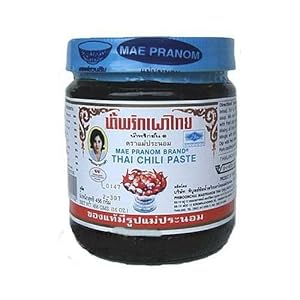
on the side of the bowl to release more heat. The nam prik pao (hot sauce) may
also be placed on the table so guest can add their own heat. Thai restaurants
will often substitute sliced red jalapeños for the Thai chilies when the Thai
chilies are not available. When preparing this dish, there are quite a few
ingredients. It is handy, to pre-measure these and group them in little bowls
in the order in which they go in, so one does not inadvertently forget one or
more of the ingredients.
4
2/3 cups of water (or use vegetable or 50-50 chicken and seafood stock)
3
stalks fresh lemon grass.
4
fresh kaffir lime leafs1 (or chopped zest from 1 1/2 limes – not
quite the same)
1
Tablespoons tamarind paste3 (Asian or Thai market)
1
¼ pounds of whole medium shrimps (buy with head on and use heads and shells for stock)
1
Tablespoons fish sauce
1
tablespoon Marin
1
teaspoon sugar
3
thin slices fresh galangal2 or ginger root about thumb size (1 ½
inch long) chopped very fine
8
fresh Red and Green Thai chili peppers, whole (more for Garnish)
1/3
small white onion, cut 1/4 inch slices
2
Tablespoons Thai Chile
Sauce optional (nam prik pao)
6~8
ounce can straw mushrooms, drained and rinsed
12
Cherry tomatoes, sweet and ripe, cut in halves
¼
cup sliced scallion greens
Few
sprigs of Thai Basil
Few
sprigs of cilantro
Several
sprigs ngò gai culantro5 (aka Mexican Coriander, Vietnamese Coriander)) or use cilantro
Juice
from a lime
½
teaspoon white pepper
Sea
Salt
1
pound fresh rice stick noodles
On a per bowl
basis:
Several
sprigs fresh ngò gai culantro5 or cilantro
Several
sprigs Thai basil
Several
sprigs ngò gai culantro
Prepare in
advance 6 quarts of unsalted water for cooking the noodles. Cover pot and set
on stove to boil. As the noodles are done quickly, these will be done
last.
Cut of heads and
peel shrimp reserving heads and shells for building the initial shrimp stock. Use
a very sharp small knife to make a shallow cut along the backs of the
shrimps about 1/3 of the way up from the tail toward the thick end of the
shrimp. Remove the black vein to be found there.
Trim off and
discard tough root ends of the lemongrass. Hold all three lemongrass stalks and
crush them somewhat with the spine of a cleaver or mallet; cut into 4 inch pieces,
and half these with a sharp knife. Put these with shrimp shells.
Boil 4 2/3 cups
of water in a sauce pan. Add lemon grass pieces, tamarind paste, bruise two of
the kaffir lime leaves (or add half the Lime zest), and all of the shrimp
trimmings to the pot and boil 5~6 minutes.
Sieve stock into
a bowl pushing down on pulp with a wooden spoon to extract all the juices and
discard pulp. Return stock to pot and bring to a boil.
When stock
boiling again, add minced ginger, balance of the kaffir lime leaves (or the
remaining half of the Lime zest), fish sauce, Marin, a teaspoon of sugar and
the shrimp.
Cook 3 minutes.
Add the sliced onion, straw mushrooms, and, optionally, to add heat, add nam
prik pao.
Boil for another
4 minutes until the shrimp is cooked through. Add the Thai chile peppers,
scallion greens, a little Thai basil, cilantro, ngò gai culantro, and tomatoes.
Cook 1 minute. Turn off the heat. Add the lime juice.
Taste to adjust
the seasonings with sea salt and white pepper. Place lid on soup until ready to
prepare bowls.
Open vacuum bag
of fresh noodles. Drop noodles in 4 quarts of boiling water for 5~ 10 seconds until they are just right. (As
the soup is boiling, and the guest will take a while to gather to the table,
the noodles can be firm going into the bowls.) Using a pasta hook, fetch some
noodles allowing them to drain a bit then place the noodles at the bottom of
each bowl.
Bowl the soup.
Add soup to
bowls. Try to split shrimp evenly, and add several sprigs fresh cilantro per bowl,
sprigs of ngò gai culantro, and sprigs of Thai basil. Cut a wedge of lime. Put
a diagonal slice across the inside middle of the lime wedge to create a slit.
Stick lime slice on bowl edge using slit created. (See picture)
On the side, provide
a garnish with a small dish of nam prik pao and some chopped Thai chilies
marinating in a bit of fish sauce. Provide additional Thai basil, cilantro and ngò
gai culantro on a central plate so all can reach.
 |
| Fresh Rice Stick Noodles |
Notes:
- Kaffir Lime Leaves are often hard to
find. These are not expensive ($3) and may be purchased and flown out by
air delivery in 2 days from the http://grocerythai.com/
GroceryThai.com, 10929 Vanowen St. Suite 143, North
Hollywood, CA
91605
Phone (818) 469 9407, Fax (310) 424 2914
Mon-Fri 9.00 to 16.00, Pacific Time
- galangal – white ginger - The flavor is more
flowery and intense than regular ginger. The branched pieces of rhizome
are from 1 1/2 to 3 inches in length, and seldom more than 3/4 inch thick.
Use small amounts when starting out. Its flavor combines well with lemon
grass, peppers and garlic in Thai cooking for seasoning fish, meat or
poultry
- Tamarind paste is
used to add a sour taste in many Thai recipes including Pad Thai. The
paste provides orange sour/tart/sweetness. It is usualy available in a
brick form. I cut off what I need and cover it with orange juice an
microwave on high for a minute to soak to soften. (Add additional water as
needed. Strain through a sieve.)
- Head on shrimp in the soup stock is a traditional way in the Thai home of making this soup and yields an improved shrimp flavor.
- Also known as Mexican coriander, thorny coriander, spiny coriander,
fitweed, saw-leaf or saw-tooth herb, recao and Tabasco parsley, this
herb has a similar flavor to cilantro although much stronger. Find this in your Asian produce section availble fresh.
-